Repair of Roofing: Expert Guide to Safe Repairs
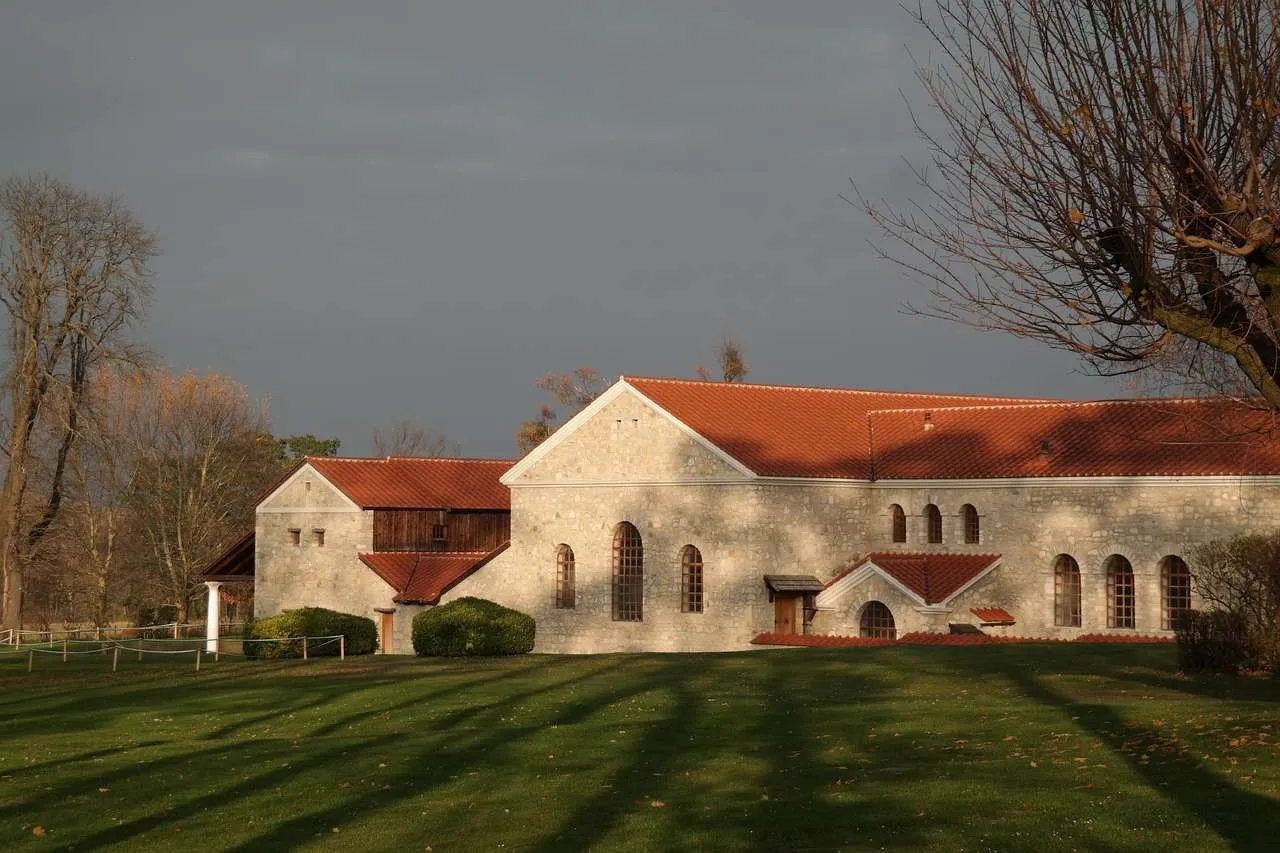
Introduction to repair of roofing
Repair of roofing is a critical task that protects a home from water damage, preserves structural integrity, and supports energy efficiency. By applying a careful approach that combines expertise, safety, and clear cost expectations, homeowners can address issues effectively and avoid costly consequences.
When to repair and when to replace
Not every roof issue requires a full replacement. Minor leaks, a few damaged shingles, or worn flashing can often be repaired. Key factors in the decision include the age of the roof, the extent of damage, and climate. A roof older than 20-25 years often needs replacement rather than patchwork, while newer roofs benefit from targeted repairs to extend life.
Common roofing issues and repairs
Leaks and flashing
Leaks usually originate around flashing, vents, chimneys, or roof-to-wall intersections. Repair involves resealing joints, replacing damaged flashing, and ensuring proper slope and drainage. Durable sealants and metal flashing are used to create a waterproof seam.
Damaged shingles
Missing, cracked, curled, or blistered shingles disrupt waterproofing. Replacing individual shingles involves lifting surrounding shingles, removing damaged pieces, and securing new ones with corrosion-resistant nails and adhesive.
Decking and structural concern
Soft spots or sagging decking indicate structural issues. In such cases, repairs may require replacing sections of plywood or sheathing and reinforcing rafters. This work often requires professional assessment.
Repair methods by roofing material
Asphalt shingles
Most common repairs involve verifying nail heads, resealing small leaks, and replacing shingles. For widespread damage, a professional may replace sections or entire rows to maintain uniform appearance and performance.
Metal roofs
Metal roofs use interlocking panels and sealants at seams. Repairs focus on sealing seams, replacing damaged panels, and addressing corrosion. Metal repairs often benefit from professional service to preserve warranty.
Tile and flat roofs
Clay or concrete tiles require careful removal to avoid breakage; flat roofs may use membrane patches or reinforcement. Proper patching, drainage checks, and prompt attention to ponding water prevent future leaks.
DIY vs professional: costs, risks, and warranties
DIY repairs can save money but carry safety risks, especially on steep slopes or in windy conditions. Insurance and contractor warranties typically favor professional repairs for significant damage or when warranties apply. A licensed roofer brings knowledge of building codes, weatherproofing, and long-term durability.
| Approach | Typical tasks | Pros | Cons | Typical cost range |
|---|---|---|---|---|
| DIY | Small leak patch, shingle replacement, sealant | Lower upfront cost | Safety risk, incorrect fix, warranty void | $100-$500 |
| Professional | Full inspection, patching, flashing, board replacement | Qualified, warranty-backed | Higher upfront cost | $300-$2,500+ depending on scope |
Maintenance tips to minimize future repairs
- Inspect roof seasonally and after storms for signs of damage.
- Keep gutters clear to prevent water backup and fascia damage.
- Ensure proper attic ventilation to reduce condensation and ice dam risk.
- Schedule regular professional inspections every 3-5 years for preventive care.
Repair of roofing is a skilled task that benefits from a plan, accurate diagnosis, and quality workmanship. By understanding when to repair, what methods fit your roof type, and how to choose a reputable contractor, homeowners can protect their investment and avoid recurring leaks.
Conclusion, careful assessment, informed decisions, and timely action are the keys to a durable roof and long-term peace of mind.