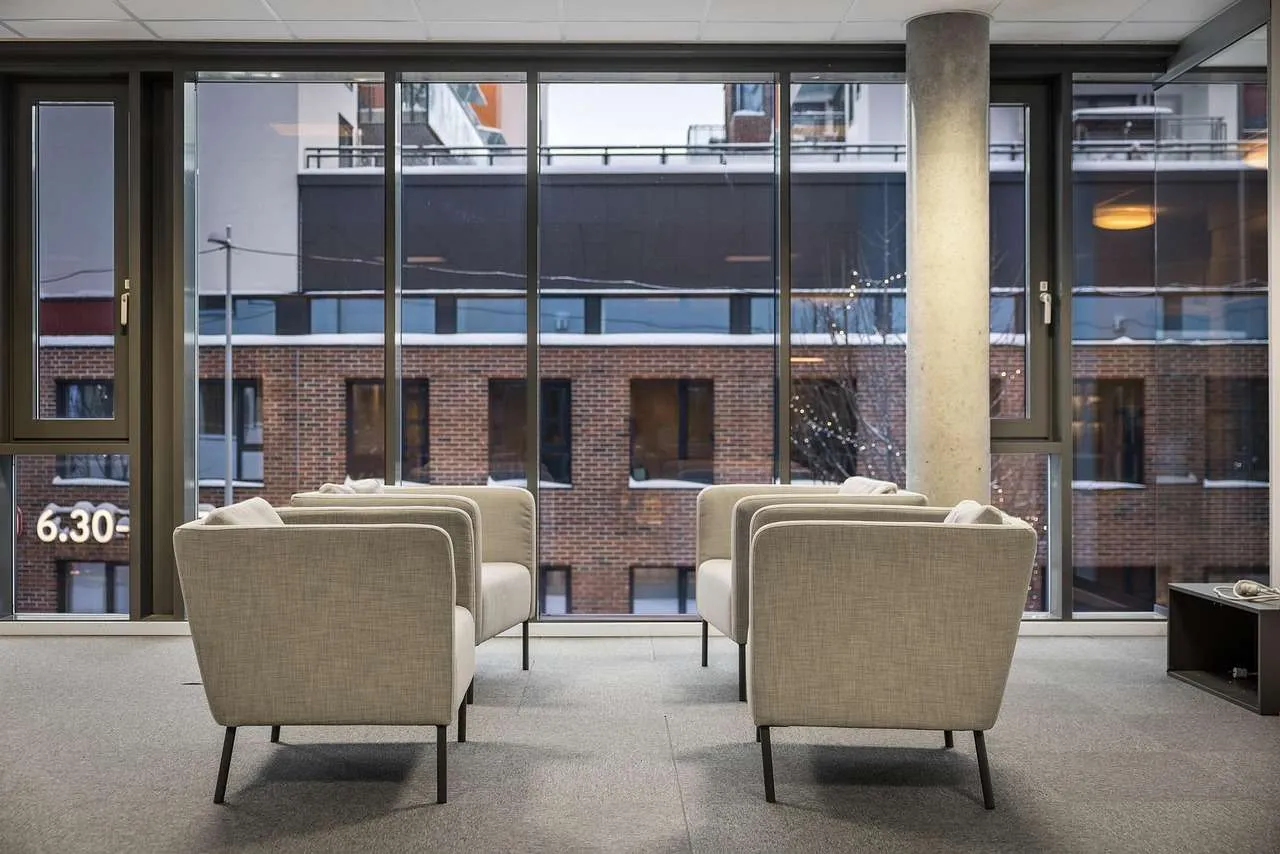
Home Window Tinting Near Me: A Complete Guide
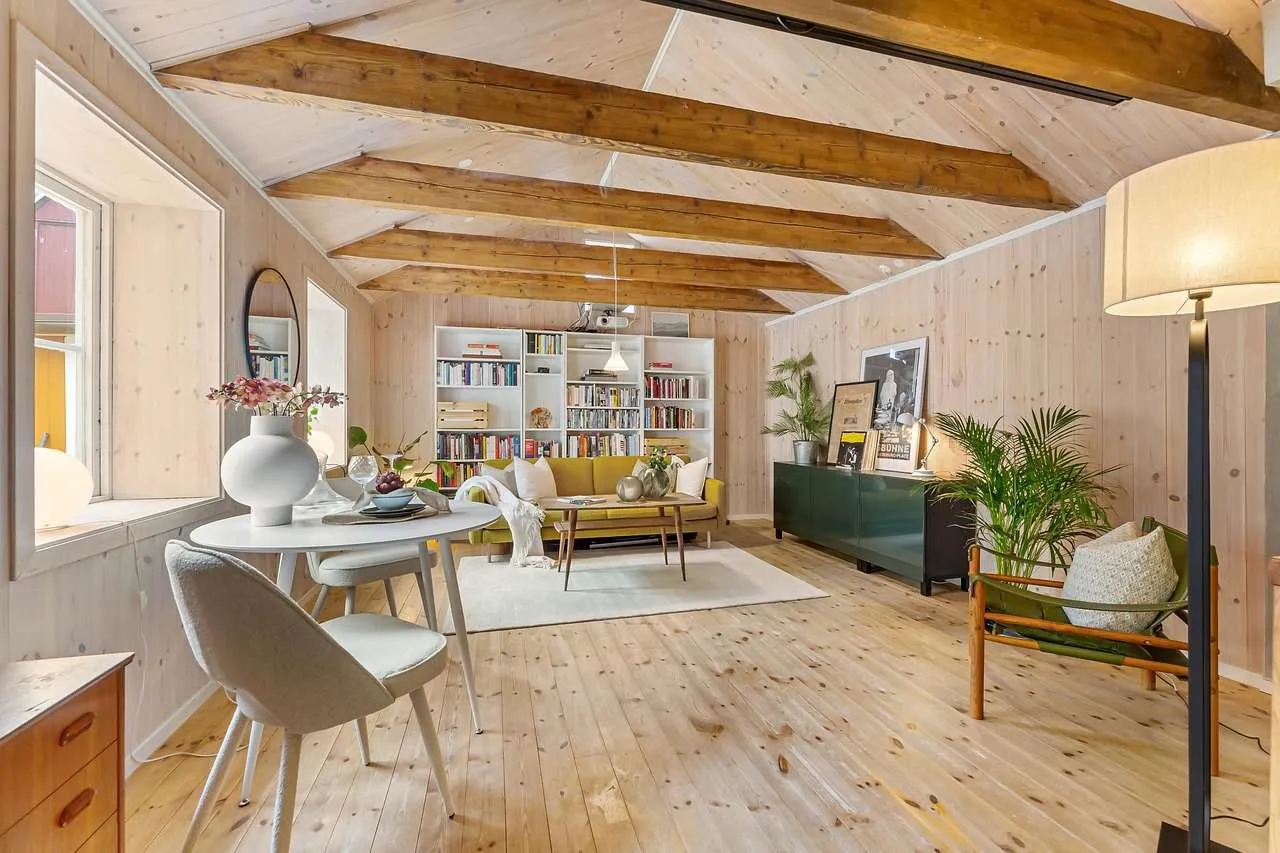
Finding reliable home window tinting near me services is about more than just price. Homeowners today seek shade, UV protection, energy savings, and enhanced privacy without sacrificing visibility or curb appeal. This guide brings together expert guidance, practical tips, and clear comparisons to help you choose the right tinting solution for your house and your local market. Whether you want to reduce glare on the living room windows or protect furnishings from sun damage, the right tint can deliver noticeable comfort and value.
What is home window tinting?
Home window tinting involves applying a thin film to interior or exterior glass. The film can block a portion of the sun’s infrared rays, reduce glare, limit UV exposure, and lower heat transfer. Modern residential tints come in a range of tones and technologies, from simple dyed films to advanced ceramic and nano-ceramic coatings. The result is a more comfortable interior, less fading of furniture, and potential savings on cooling costs.
Why homeowners choose tinted windows
- UV protection: High-quality films block up to 99% of ultraviolet rays, preserving fabrics and artwork.
- Energy efficiency: Tinted windows reduce heat gain, helping air conditioning run more efficiently in summer.
- Glare reduction: Reducing glare improves comfort for TVs, computers, and daytime activities.
- Privacy and aesthetics: Tints add privacy during the day and enhance exterior appearance.
- Protection and safety: Some films hold shattered glass together, improving safety in case of breakage.
How to find home window tinting near me
- Search locally for licensed installers and read customer reviews to assess reliability and craftsmanship.
- Request on-site consultations to evaluate your windows, discuss goals, and obtain written quotes.
- Check warranties, film brands, and installer certifications. Ask about post-install cleaning, curing times, and maintenance.
- Compare tint types and costs, including long-term energy savings and potential tax credits or incentives in your area.
- Review samples or calendars for availability to minimize disruption to your daily routine.
Tint options and their benefits
Choosing the right tint depends on your goals, window type, climate, and budget. Here are common residential options explained by purpose:
Dyed window film
Dyed films are among the most affordable options. They help with glare and basic privacy and provide a neutral look. They typically offer moderate UV rejection and light transmission. Over time, dyes can fade or shift slightly in color, which is a consideration for long-term appearance.
Metalized/Metallic films
Metalized films reflect a portion of solar heat, enhancing energy efficiency and glare control. They tend to be durable and cost-effective for many homes, but can interfere with certain electronics and GPS signals if heavy metal content is used. They also may show a slight metallic hue at certain angles.
Ceramic films
Ceramic, including nano-ceramic options, provides excellent heat rejection, superior UV protection, and minimal color change. They maintain clarity and visibility across a wide range of lighting conditions. This is often a top choice for high-end homes seeking strong performance and long-term durability.
Low-E coatings
Low-E (low-emissivity) coatings are designed to improve insulation by reducing heat transfer. These are frequently used on energy-efficient homes and can be combined with other films. They typically offer strong UV rejection and good glare control while preserving interior light.
Hybrid and specialty films
Some films blend ceramic and dyed layers or include privacy tints and reflective properties. These options aim to balance cost, aesthetics, and performance, tailored to specific rooms or architectural styles.
What to ask a local installer
- What tint types do you recommend for my climate and home orientation?
- Can you show current job samples and references from nearby projects?
- Which brands do you install, and what are the warranty terms?
- What is the expected curing time, and how should I care for the film after installation?
- Will the tint affect window frames, coatings, or safety glass in my home?
Maintenance, warranties, and long-term value
Proper maintenance is simple: avoid abrasive cleaners on the film, use a soft cloth, and follow the installer’s guidance on cleaning and care. Warranties typically cover adhesion, bubbling, and discoloration for a specified period. When evaluating a local provider for home window tinting near me, review the warranty details, included services, and the installer’s reputation for high-quality installations.
Comparison table: Tint types at a glance
| Tint Type | UV Rejection | Glare Reduction | Light Transmission | Durability | Typical Cost | Best For |
|---|---|---|---|---|---|---|
| Dyed Tint | High | Moderate | Medium-High | Medium | Low to Medium | Budget projects, basic privacy |
| Metalized Tint | High | High | Medium | High | Medium | Good glare control, metallic look |
| Ceramic/Nano-Ceramic | Very High | Very High | Medium to High | Very High | High | Best overall performance |
| Low-E Coatings | High | High | Variable | High | Medium to High | Energy efficiency focus |
| Hybrid/Other | High | High | Medium | High | Medium | Balanced performance |
How to choose a local installer for "home window tinting near me"
Start with a shortlist of licensed professionals in your area. Verify their experience with residential installations, confirm they carry appropriate insurance, and ask for before/after photos. Request on-site assessments to compare tint options for your windows and climate. Transparent quotes should itemize film type, labor, and any prep work. Look for installers who provide a clear warranty and post-install follow-up support.
Conclusion and next steps
Conclusion, the key to successful home window tinting near me lies in selecting a trusted installer, choosing the right tint type for your climate and goals, and understanding the long-term value through energy savings and protection from UV damage. Use local, reputable providers, review samples, compare warranties, and ensure the installation is performed by skilled technicians to maximize comfort, privacy, and home value.